
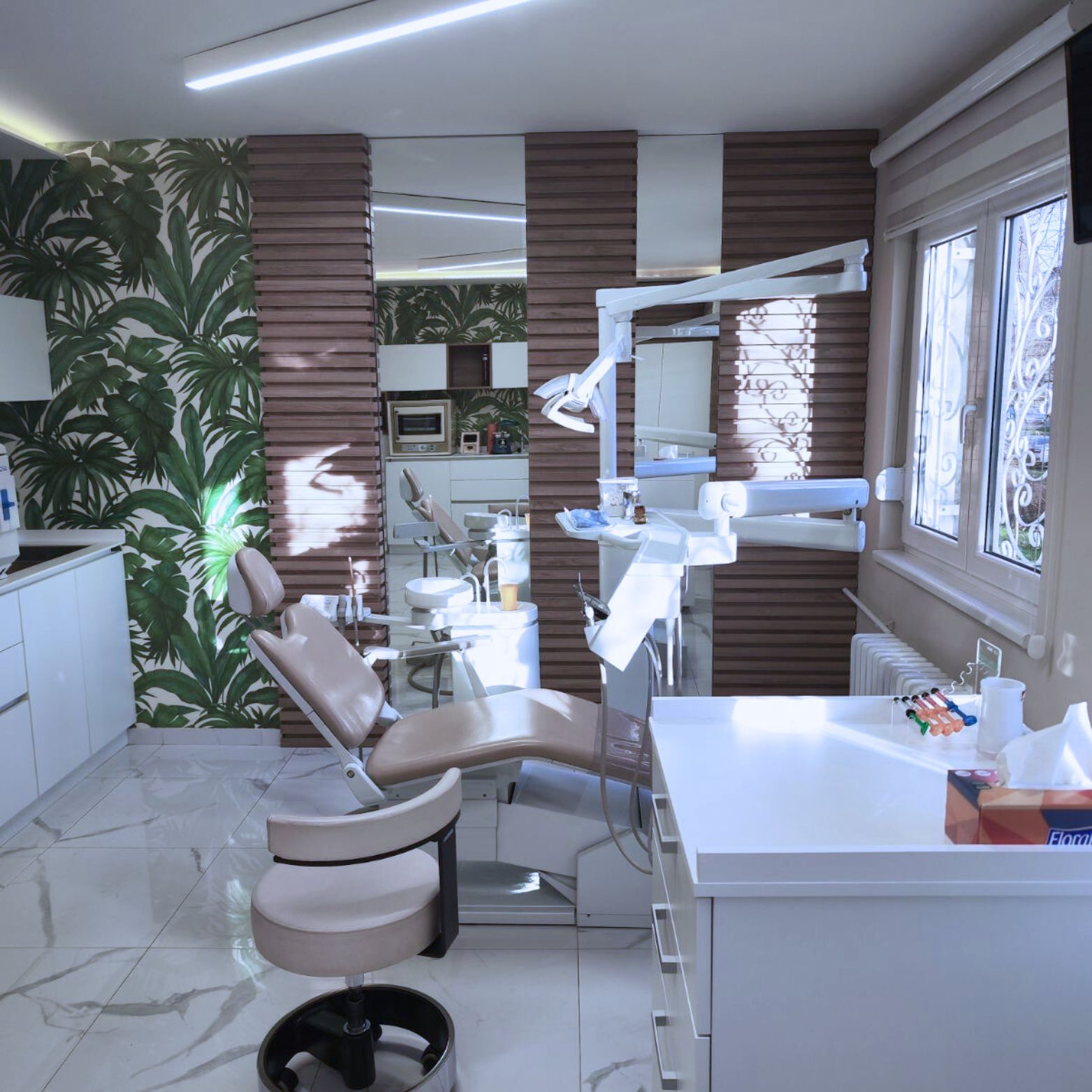
PERIODONTOLOGY
Periodontology is a branch of dentistry that focuses on the diagnosis, prevention and treatment of diseases of the supporting structures of the teeth, including the gums, bone and connective tissue. These diseases, most often caused by bacterial infections, can lead to serious problems such as tooth loss and bone damage
In our clinic, we offer a comprehensive approach to periodontics, which includes:
1. Diagnostics of periodontal diseases: with the help of modern diagnostic tools and x-rays, we accurately assess the condition of your gums and supporting structures.
2. Preventive measures: we educate our patients about the importance of proper oral hygiene in order to prevent periodontal diseases. This segment includes counseling on proper brushing techniques, flossing, and regular dental checkups.
3. Treatment of gingivitis and periodontitis: naši stručnjaci koriste savremene metode lečenja kako bi smanjili upalu, uklonili infekciju i povratili zdravlje desni. Ovo može uključivati profesionalno čišćenje, kiretažu ili, u težim slučajevima, hirurške intervencije.
4. Restorative treatments: in cases of more serious damage, we offer options such as regenerative procedures that help restore lost tissue and bone.
5. Continuous care: after treatment is complete, we provide maintenance plans and regular check-ups to ensure the long-term health of your gums
What are the most common methods of treating periodontal diseases?
They include different approaches, depending on the severity of the disease and the specific needs of the patient. Here are some of the most common methods:
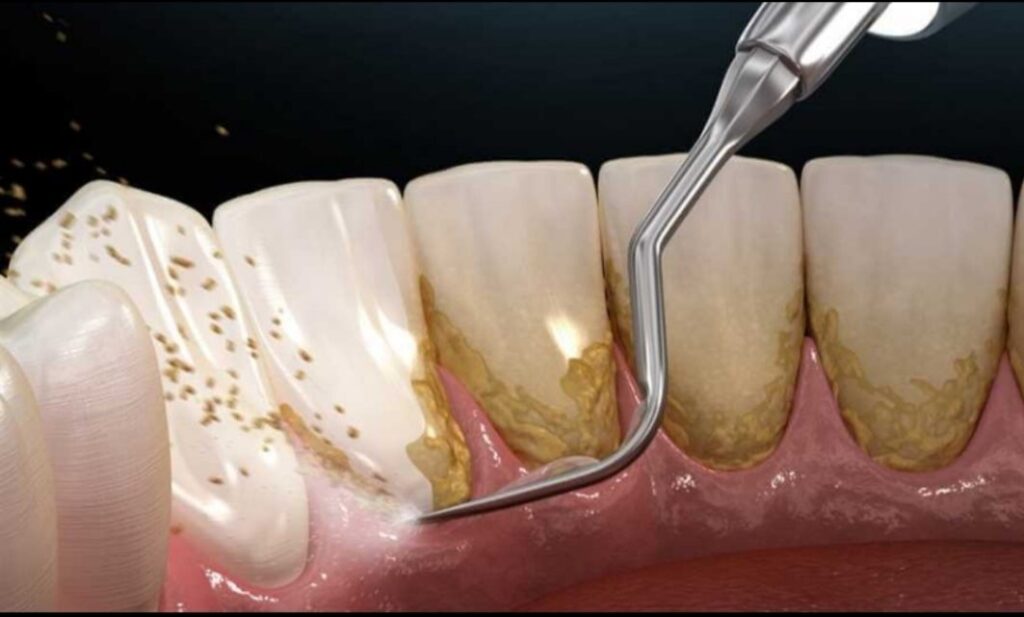
1. Professional teeth cleaning: this is a basic method that involves the removal of tartar and plaque from the teeth and gums. This procedure helps to reduce inflammation and prevent further progression of the disease.
2. Kiretaciju: this is a more detailed cleaning, which can be done manually or with an ultrasonic device, and involves the removal of tartar and infected tissue from the periodontal pockets.
3. Antibiotic therapy: in cases of more severe infection, the dentist may recommend the use of antibiotics to control the bacterial infestation. This can be local application (gels or tablets) or systemic therapy (oral antibiotics).
4. Surgical procedures: if periodontal diseases have progressed, surgical interventions may be necessary.
5. Maintenance and monitoring: after treatment, it is important to regularly monitor the condition of the gums through checks and preventive treatments in order to prevent recurrence of the disease.
6. Patient education: a key part of treatment is educating patients about proper oral hygiene, including brushing techniques, flossing, and the importance of regular dental checkups.
WORKING HOURS: 00-24h
ADDRESS
Omladinskog pokreta 12c, 21000 Novi Sad
CONTACT
- +381 (62) 853 64 98
- ordinacija@zubx.rs