
CONSERVATIVE AND ENDODONTIC TREATMENT OF TEETH
Conservative dental treatment and endodontic treatment are two key aspects of dental practice, each focusing on the preservation of teeth and oral health.
Conservative dental treatment it includes all methods used to preserve the natural tooth and prevent further damage. This may include
1. TEETH FILLINGS - filling cavities caused by caries with materials such as composite resins or amalgam.
2. Strengthening teeth - using different techniques, such as ceramic crowns or inlays, to strengthen weakened teeth and restore their functionality.
3. Preventive care – regular dental check-ups, professional teeth cleaning, fluoride treatments and patient education on proper oral hygiene.
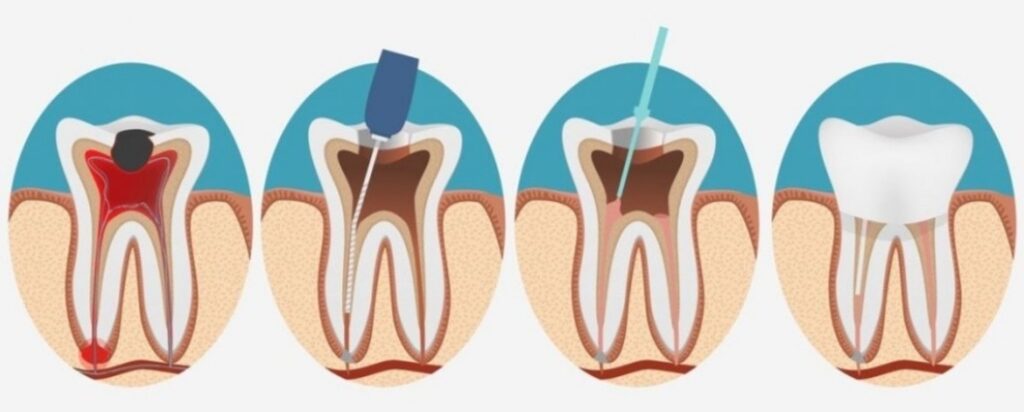
Endodontic treatment, also known as root canal treatment, is a specialized procedure used when the pulp of the tooth (the inner part of the tooth that contains nerves and blood vessels) is infected or damaged. This procedure includes:
1. Diagnostics - identification of problems through x-rays and clinical examinations.
2. Removing the infection - opening the tooth to remove the infected or damaged pulp.
3. Canal cleaning and shaping – thorough cleaning of the root canals and shaping to prepare them for filling.
4. Tooth canal filling – after cleaning, the canals are filled with biocompatible materials to prevent re-infection.
5. Restoration of teeth - after endodontic treatment, the tooth usually requires an additional restoration, such as a crown, to restore its functionality and aesthetic appearance.
PERIODONTOLOGY
Periodontology is a branch of dentistry that focuses on the diagnosis, prevention and treatment of diseases of the supporting structures of the teeth, including the gums, bone and connective tissue. These diseases, most often caused by bacterial infections, can lead to serious problems such as tooth loss and bone damage
In our clinic, we offer a comprehensive approach to periodontics, which includes:
1. Diagnostics of periodontal diseases: with the help of modern diagnostic tools and x-rays, we accurately assess the condition of your gums and supporting structures.
2. Preventive measures: we educate our patients about the importance of proper oral hygiene in order to prevent periodontal diseases. This segment includes counseling on proper brushing techniques, flossing, and regular dental checkups.
3. Treatment of gingivitis and periodontitis: our experts use modern treatment methods to reduce inflammation, remove infection and restore gum health. This may include professional cleaning, curettage or, in more severe cases, surgical interventions.
4. Restorative treatments: in cases of more serious damage, we offer options such as regenerative procedures that help restore lost tissue and bone.
5. Continuous care: after treatment is complete, we provide maintenance plans and regular check-ups to ensure the long-term health of your gums
What are the most common methods of treating periodontal diseases?
They include different approaches, depending on the severity of the disease and the specific needs of the patient. Here are some of the most common methods:
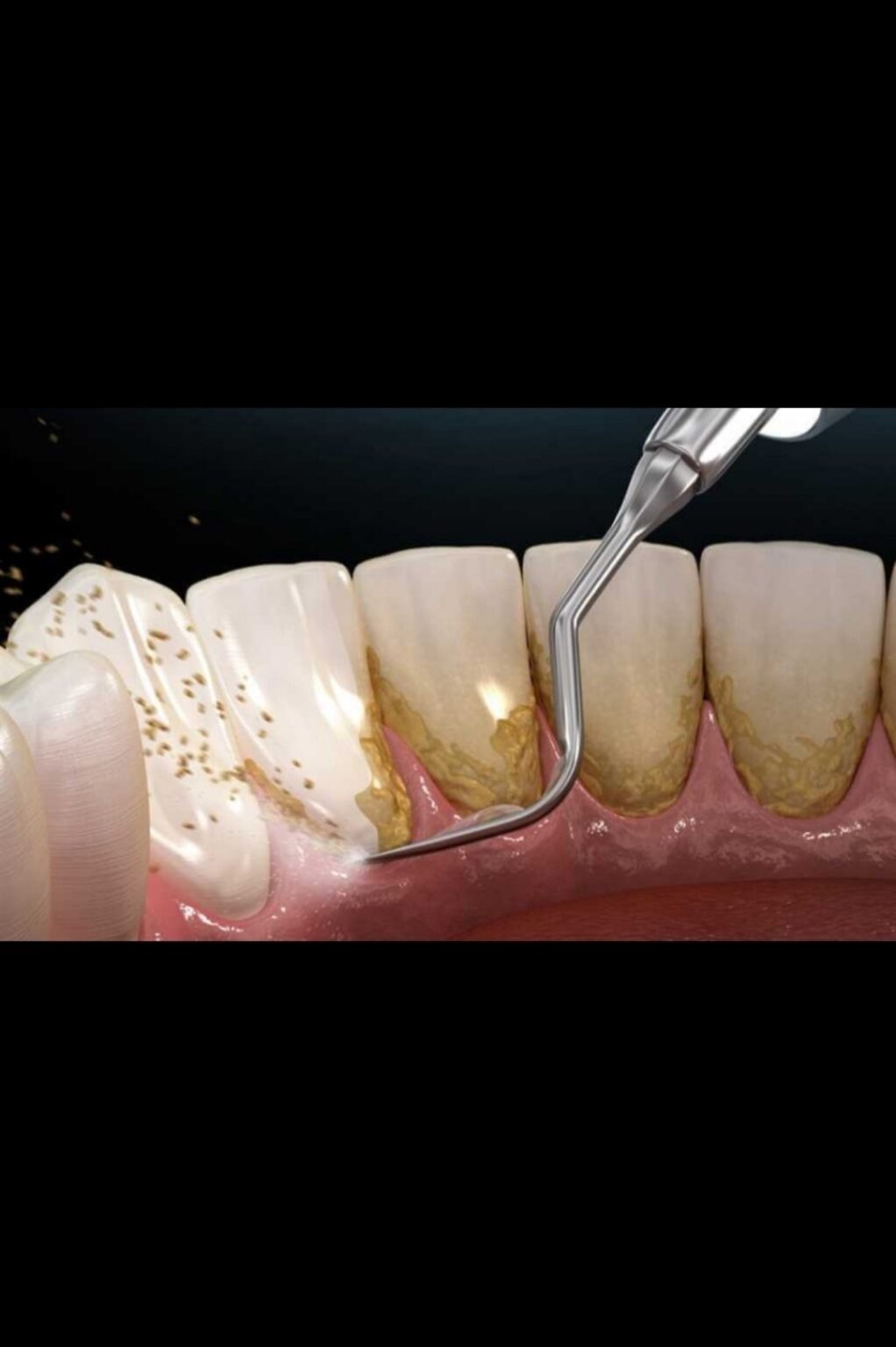
1. Professional teeth cleaning: this is a basic method that involves the removal of tartar and plaque from the teeth and gums. This procedure helps to reduce inflammation and prevent further progression of the disease.
2. Curettage: this is a more detailed cleaning, which can be done manually or with an ultrasonic device, and involves the removal of tartar and infected tissue from the periodontal pockets.
3. Antibiotic therapy: in cases of more severe infection, the dentist may recommend the use of antibiotics to control the bacterial infestation. This can be local application (gels or tablets) or systemic therapy (oral antibiotics).
4. Surgical procedures: if periodontal diseases have progressed, surgical interventions may be necessary.
5. Maintenance and monitoring: after treatment, it is important to regularly monitor the condition of the gums through checks and preventive treatments in order to prevent recurrence of the disease.
6. Patient education: a key part of treatment is educating patients about proper oral hygiene, including brushing techniques, flossing, and the importance of regular dental checkups.
AESTHETIC DENTISTRY

Cosmetic dentistry is a branch of dentistry that focuses on improving the appearance of teeth, gums and smiles. The goal of cosmetic dentistry is not only to achieve a more beautiful appearance, but also the functionality of the teeth, which can significantly contribute to the self-confidence and quality of life of patients.
In our clinic, we offer a wide range of services in the field of aesthetic dentistry, including:
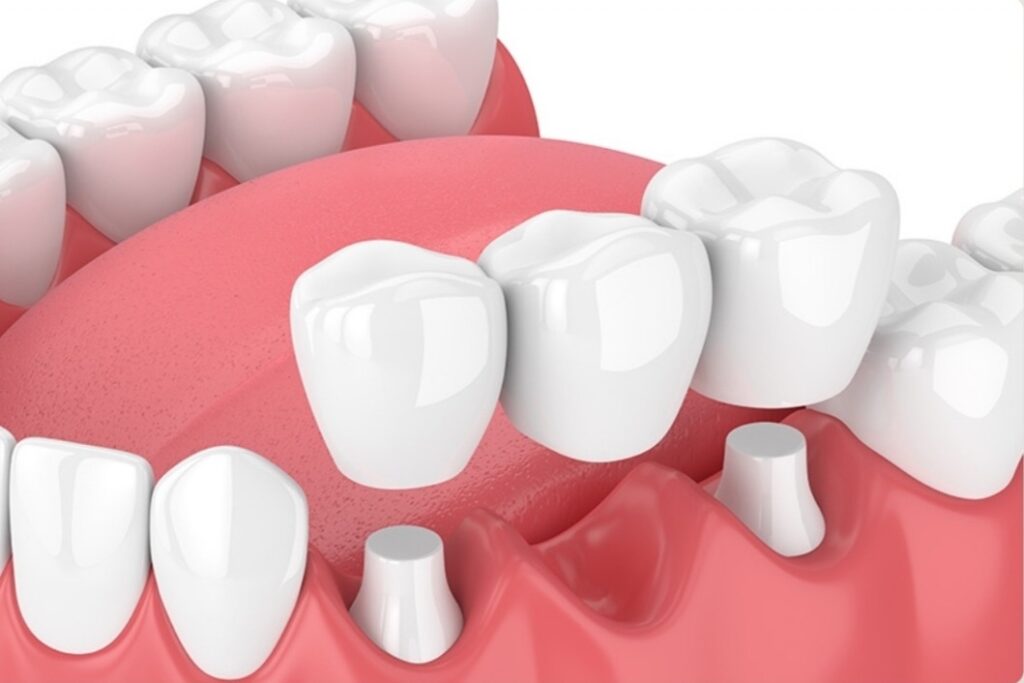
1. Dental crowns and bridges: we use high-quality materials to create natural and long-lasting crowns and bridges that fit your smile perfectly.
2. Aesthetic fillings: we offer composite fillings that perfectly match the natural color of the teeth, which ensures the inconspicuous filling of cavities and damage.
3. Dental veneers: these thin ceramic shells are placed on the front of the teeth to correct aesthetic problems such as stains, cracks or irregularities in shape.
4. Teeth whitening: we provide professional whitening treatments that are safe and effective, allowing you to achieve a brighter and more beautiful smile.
5. Orthodontic treatments: we offer options such as invisible aligners or traditional braces to correct tooth irregularities, improving both the functionality and aesthetics of the smile.
6. Gingivoplasty: this procedure is used to shape and correct the gums, achieving symmetry and improving the appearance of the smile.
7. Consultations and treatment planning: our experts work with you to develop a personalized treatment plan to achieve your aesthetic goals, taking into account your wishes and needs.
Our practice prides itself on providing the highest quality services with the use of modern technologies and materials. Our goal is to help you achieve the smile of your dreams, which not only looks beautiful, but also contributes to your overall health and well-being. Visit us and discover how we can improve your smile!
PROSTHETICS
Prosthetics in dentistry is a branch that deals with the restoration and rehabilitation of teeth and jaws, using different types of prosthetic replacements. These prostheses can be fixed or mobile, and their purpose is to restore the function, aesthetic appearance and health of the patient's oral apparatus.
1. Types of prosthetic replacements:
– Fixed prostheses: include crowns, bridges and implants. These prostheses are permanently placed on teeth or implants.
– Mobile prostheses: include partial and total dentures that can be removed by the patient. They are used when there is a loss of several teeth.
2. Materials: Prosthetics use a variety of materials, including ceramics, metal, composites, and acrylic resins. The choice of material depends on aesthetic and functional requirements.
3. Adaptation: Each prosthetic replacement is made according to the specific needs of the patient, taking into account the shape of the teeth, jaw, bite and other individual characteristics.
4. Technological progress: Modern prosthetics uses advanced technologies, such as CAD/CAM systems for precise fabrication of restorations, which allows for better fit and faster fabrication.
The meaning of prosthetics:
- Restoration of function: Prosthetics allow patients to regain normal chewing, speaking and functioning in daily life.
- Aesthetics: Prosthetics help to improve the appearance, restoring the natural appearance of the teeth and the patient's smile.
- Prevention of further problems: Properly placed prosthetic structures can prevent the remaining teeth from moving, thereby reducing the risk of further dental problems.
- Quality of life: By restoring functionality and aesthetics, prosthetics significantly improve patients' quality of life.
Prosthetics in dentistry play a key role in the rehabilitation of oral health, providing patients with the opportunity to return to normal functioning and improve their smile.
SURGERY
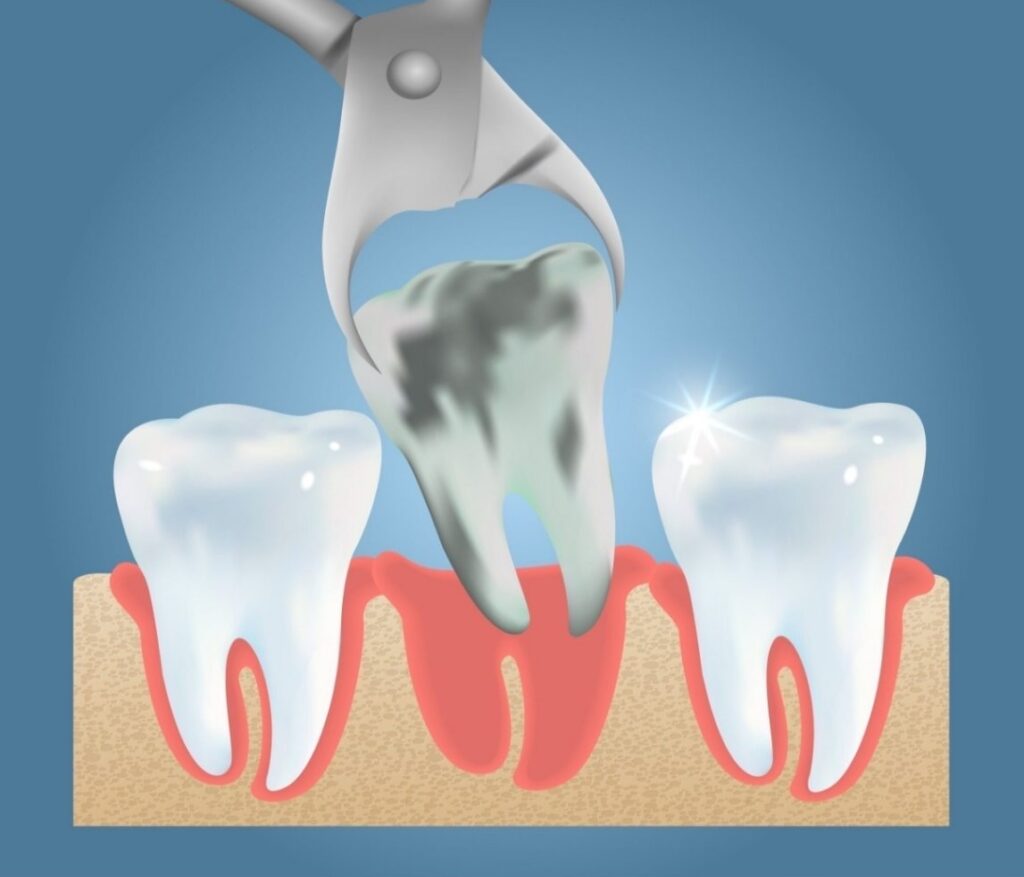
Dental surgery is a specialized branch of dentistry that deals with diagnosis, treatment and prevention of oral diseases and conditions with the help of surgical interventions. This branch of dentistry includes a wide range of procedures, from routine to complex operations, which are vital to maintaining the oral health of patients.
Types of dental surgery:
1. Tooth extraction: removal of a tooth that has been severely damaged by caries, infection or injury. This may include the extraction of wisdom teeth which often cause problems.
2. Jaw surgery: this procedure is used to correct problems with the jaw, such as irregularities in the bite or orthodontic problems.
3. Implantology: installation of dental implants as a permanent solution for tooth loss. This procedure requires the placement of a titanium rod in the jaw to serve as a base for the artificial tooth.
4. Periodontal surgery: surgical interventions aimed at treating gum disease. This may include procedures to restore gum tissue or bone around the tooth.
5. Oral surgery: a wide range of operations within the oral cavity, including biopsies, treatment of cysts and tumors, as well as correction of damage to the lip and jaw.
*Why is surgery important?
Dental surgery is key to:
– Maintaining oral health: Timely surgical interventions can prevent more serious complications and preserve teeth and surrounding tissues.
– Improving functionality: operations can help patients normalize chewing, speech and other functions of the oral cavity.
– Aesthetic aspect: surgical procedures often contribute to an aesthetic appearance, restoring patients' self-confidence and natural smile.
*How to prepare for a surgical procedure?
- Consultation: before any surgical intervention, it is important to have a consultation with a dentist to discuss all questions, risks and expectations.
- Preparation: depending on the type of procedure, you may need certain preparations, such as X-rays or laboratory tests.
Dental surgery is a key component of a comprehensive approach to oral health. Our practice is dedicated to providing superior surgical care in a comfortable and safe environment. If you have any questions or would like to schedule a consultation, please feel free to contact us!
PEDIATRIC DENTISTRY
Pediatric dentistry is a specialized branch of dentistry that focuses on the oral health of children, from birth to adolescence. Our goal is to provide comprehensive dental care that contributes to the healthy development of the teeth and oral cavity, as well as creating a positive experience for the little ones.
*Why is pediatric dentistry important?
- Prevention: regular dental checkups help prevent caries and other dental problems.
- Education: educating children and parents about proper oral hygiene from an early age lays the foundation for long-term oral health.
- Dental development: dentists monitor the development of baby and permanent teeth, providing advice on diet and habits that can affect dental health.
Our services in pediatric dentistry:
1. Preventive checks: regular examinations that include an assessment of the health of the teeth and gums, as well as professional teeth cleaning.
2. Fluoridation: application of fluoride treatments to strengthen tooth enamel and reduce the risk of caries.
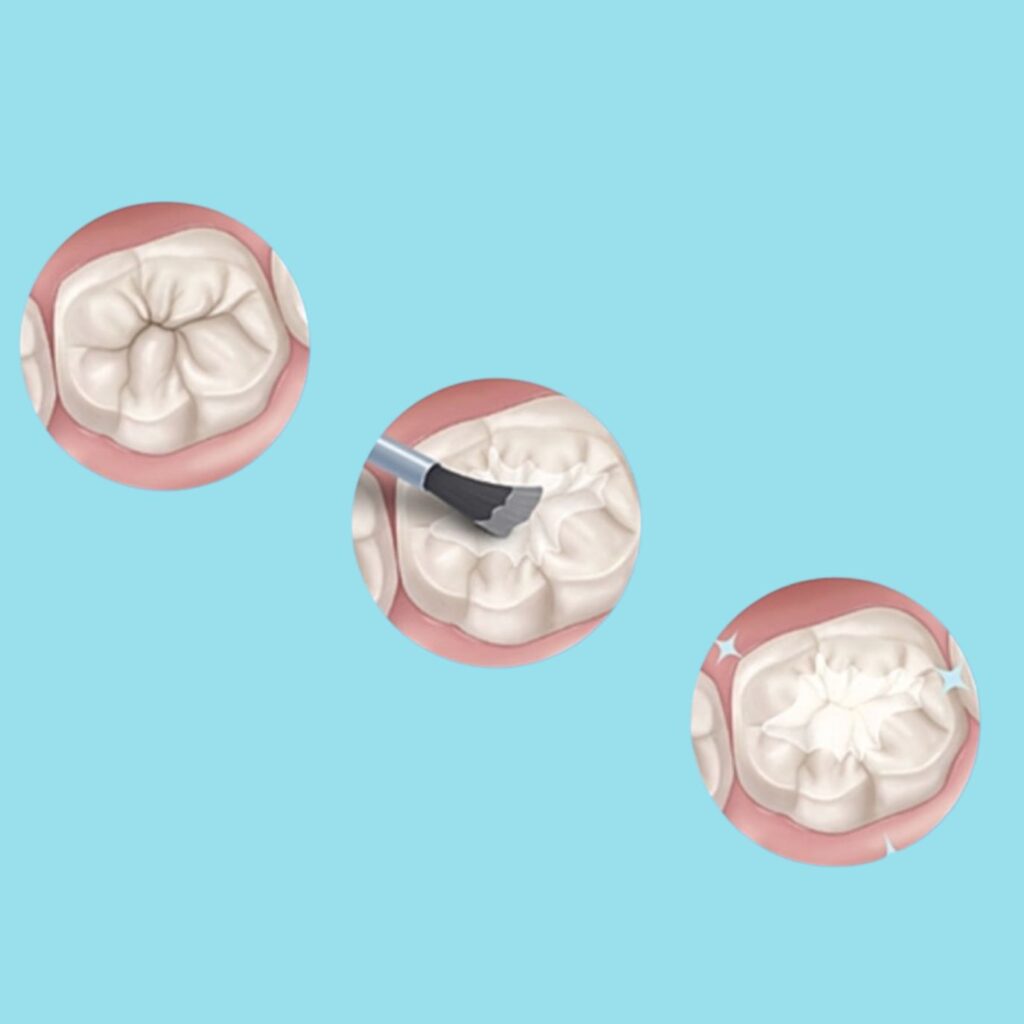
3. Fissure sealants: placing protective coatings on the grooves of the teeth to prevent the accumulation of food and the development of caries.
4. Caries treatment: removing caries and repairing damaged teeth using materials that are safe for children.
5. Orthodontic assessment: early assessment of the need for orthodontic treatment to ensure proper development of the jaw and teeth.
6. Oral hygiene education: tips for children and parents on proper brushing, flossing and healthy eating habits.
*How to prepare your child for a dental examination?
- Talk about the visit: explain to the child what to expect during the visit, using simple language and positive examples.
- Take toys: bring a favorite toy that can help the child feel more secure.
- Ask questions: do not hesitate to ask the dentist questions before or during the examination.
Our children's dental practice provides a safe and pleasant environment for your little ones. We believe that early habits are key to dental health, and we look forward to helping your child develop healthy habits that will last a lifetime.
SCHEDULE A FREE EXAMINATION!
WORKING HOURS: 00-24h
ADDRESS
Omladinskog pokreta 12c, 21000 Novi Sad
CONTACT
- +381 (62) 853 64 98
- ordinacija@zubx.rs